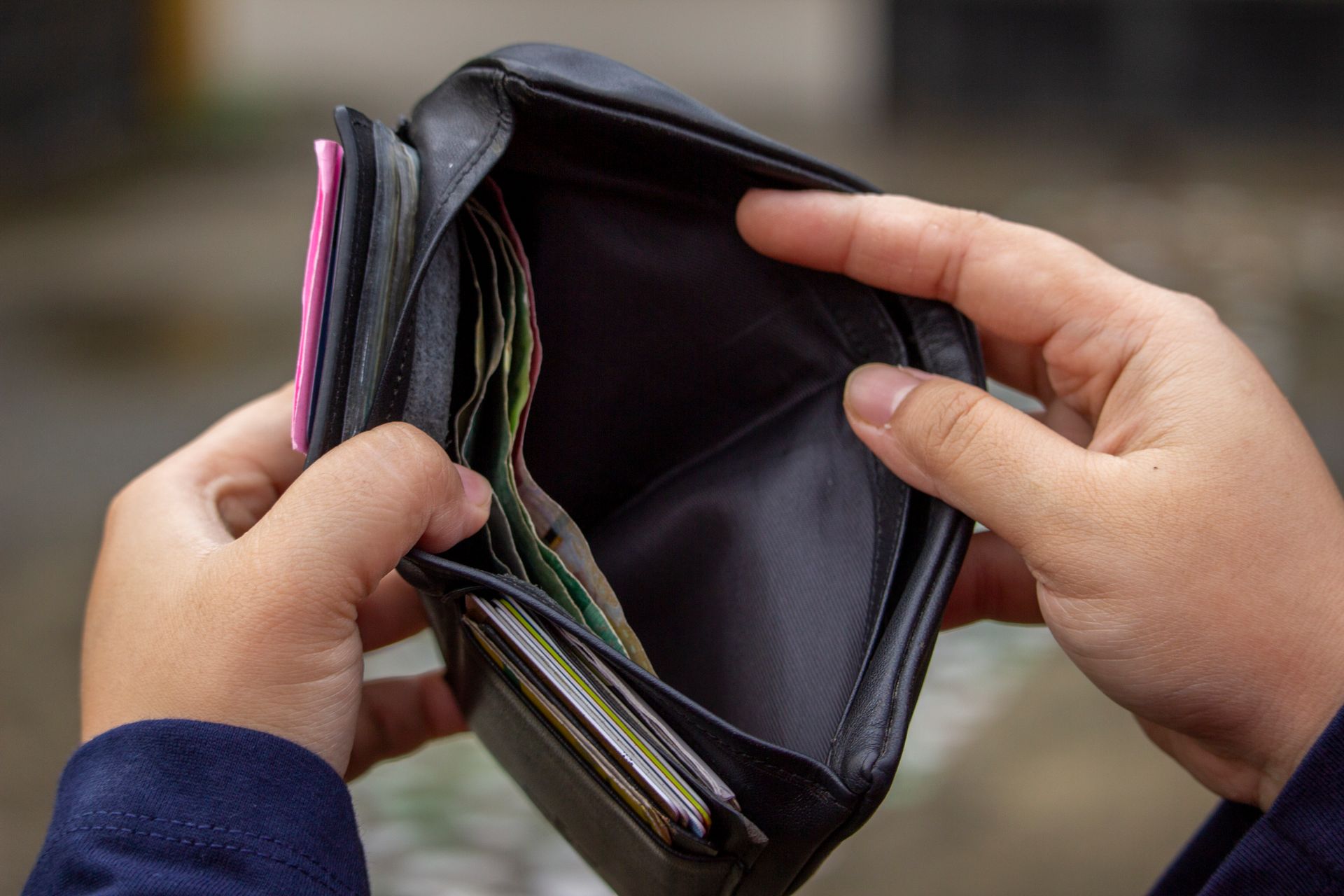
Most people have a good idea of what their paycheque will be before it arrives. You might already have it planned out for rent, groceries, utilities, transportation, and other essentials until your next payday.
Then payday arrives, and the deposit is smaller than expected.
There are many reasons your paycheque might be smaller. Maybe your hours changed, you took unpaid time off, earned less in commissions or tips, or had different deductions this time. No matter why, the big question is: how do you make your money stretch to cover your planned expenses?
Begin by figuring out how much you’re short. This way, you can make small, temporary changes instead of redoing your whole budget for just one unusual pay period.
Figure Out How Much You’re Actually Short
When you see your paycheque is lower than you thought, it’s natural to focus on what’s missing.
A more useful starting point is determining exactly how much money you’re working with.
Compare what you expected to get with what was actually deposited. Then check your pay details to see if you can spot why the amount changed.
Common explanations can include:
- Fewer hours worked
- Unpaid time off
- Variable commissions or tips
- Changes in deductions
- A different schedule during the pay period
If something appears incorrect, contact the appropriate payroll or employer contact to ask about the discrepancy.
Next, figure out the exact difference between what you planned for and what you got. Being short $150 is different from being short $600, so your response will change depending on the amount.
Once you know the number, it’s much easier to make a plan.
Rework Your Budget Until Your Next Full Paycheque
If your pay is only lower for this period, you can make temporary changes to your budget too.
Focus on covering your expenses between now and your next regular paycheque.
Start With Bills Already Due
Make a list of bills due before your next payday.
Be sure to include automatic withdrawals and any bills you usually pay yourself. Listing everything together helps you avoid missing a payment and getting another unexpected expense.
Protect Everyday Essentials
Then, put aside money for the essentials you’ll need until your next paycheque.
Depending on your household, that could include:
- Groceries
- Transportation to work
- Housing
- Utilities
- Insurance
- Medication
- Childcare
Your priorities might be different from someone else’s. Focus on what your household truly needs.
Reduce Flexible Spending Temporarily
Now, review the expenses where you have some flexibility.
You might be able to cut back on things like dining out, entertainment, shopping for extras, or nonessential subscriptions for now.This doesn’t mean you’ll never get takeout again. It just helps you get through this tight pay period.
Look Ahead to the Next Pay Period
Don’t just plan up to your next payday. Check what bills will be due right after as well. If your next paycheque has to cover both regular bills and anything you put off this week, you might end up short again.
A bit of planning now can keep one small paycheque from turning into a bigger problem later.
Avoid Turning One Short Paycheque Into a Longer Problem
When money is tight, it’s tempting to put off as many expenses as you can.
Sometimes, it’s fine to delay an expense. But if you put off too much, your next paycheque could get overwhelmed.
Before postponing something, ask:
- When is it actually due?
- Is another automatic payment coming?
- Will delaying it make next payday unusually expensive?
- Is the expense essential?
- Do I expect my next paycheque to return to normal?
The goal isn’t to pay every bill right away if it means you can’t afford groceries or transportation. It’s about understanding the trade-offs you’re making.
Can a Payday Loan Help Cover a Short Paycheque?
Yes. If your paycheque is temporarily smaller than expected and an essential expense cannot wait for your next pay period, a payday loan may help cover the shortfall.
Loan Express offers payday loans of up to $1,500 CAD. Approval decisions are available within minutes, and approved funds can be delivered through Interac e-Transfer or direct deposit.
A payday loan may help with short-term necessities such as groceries, transportation, utilities, or another essential household expense.
Before you borrow, think about whether your next paycheque will be enough to cover the loan repayment and your usual bills.
Build More Flexibility Into Future Pay Periods
You can’t control every change in your paycheque, but you can make it easier to handle ups and downs in the future. If your income changes often, try making your budget based on a lower, more reliable amount instead of your highest paycheque.
When you have a higher-paying week, try to save some of the extra if you can. Even a small cushion can help make a low-pay week easier to manage.
It can also help to:
- Track your hours throughout each pay period.
- Review deductions on your pay information.
- Keep a calendar of recurring bills.
- Review subscriptions and other recurring expenses regularly.
- Check your expected pay before committing to discretionary purchases.
If this smaller paycheque is just a one-time thing, you probably don’t need to change your whole budget. The main idea is to make your finances a bit more flexible for times when your income isn’t what you expected.
Step-by-Step: Get Funds Before Your Next Payday
Apply Online in Minutes
Loan Express applications are available online 24/7 and can be completed from your phone, tablet, or computer.
Approval Within Minutes
Once you submit your application, you can receive an approval decision within minutes.
Choose Interac e-Transfer or Direct Deposit
Approved borrowers can choose Interac e-Transfer or direct deposit for fast access to funds.
Repayment Scheduled for Your Next Payday
Your loan repayment will be due on your next payday. Make sure to think about your expected income and any bills coming up before you accept a loan.
Short Paycheque FAQs
Why might my paycheque be smaller than expected?
A paycheque can change because of reduced hours, unpaid time off, variable earnings, deductions, or other changes during the pay period. Review your pay information and contact the appropriate employer or payroll contact if something doesn’t look right.
What should I prioritize when my pay is lower than usual?
Start with expenses your household needs to function, such as housing, groceries, utilities, transportation, insurance, and necessary healthcare expenses. Then review flexible spending for temporary reductions.
Can a payday loan help with a temporary income shortfall?
Yes. A payday loan may help cover an essential short-term expense when your current paycheque is lower than expected. Make sure you understand the repayment obligation and consider how it will fit into your next pay period.
How quickly can I receive my funds?
Loan Express offers approvals within minutes. We can send approved funds by Interac e-Transfer or direct deposit.
How does Loan Express determine eligibility?
Loan Express reviews income and banking information during the application process instead of running traditional credit checks.
Make the Shortfall Easier to Manage
A single small paycheque doesn’t mean you need to redo your whole budget. Figure out the shortfall, cover your essentials, and make short-term changes until your income is back to normal. If you need help right away, Loan Express can provide quick approval and fast funding.
Do you need to cover an essential expense before your next payday? You can apply online with Loan Express today.
Disclosure
Total cost of borrowing is $14.00 per $100 lent for a 14-day loan.
Payday Loans are High-Cost Loans.
- BC Licence #50028
- AB Licence #327001
- SK Licence #100056
- MB Licence #39281 (Exp. Oct 18, 2026)
- ON Licence #4716499
- NB Licence #200001546
- NS Licence #202645507
- NL Licence #20-23-LO073-1