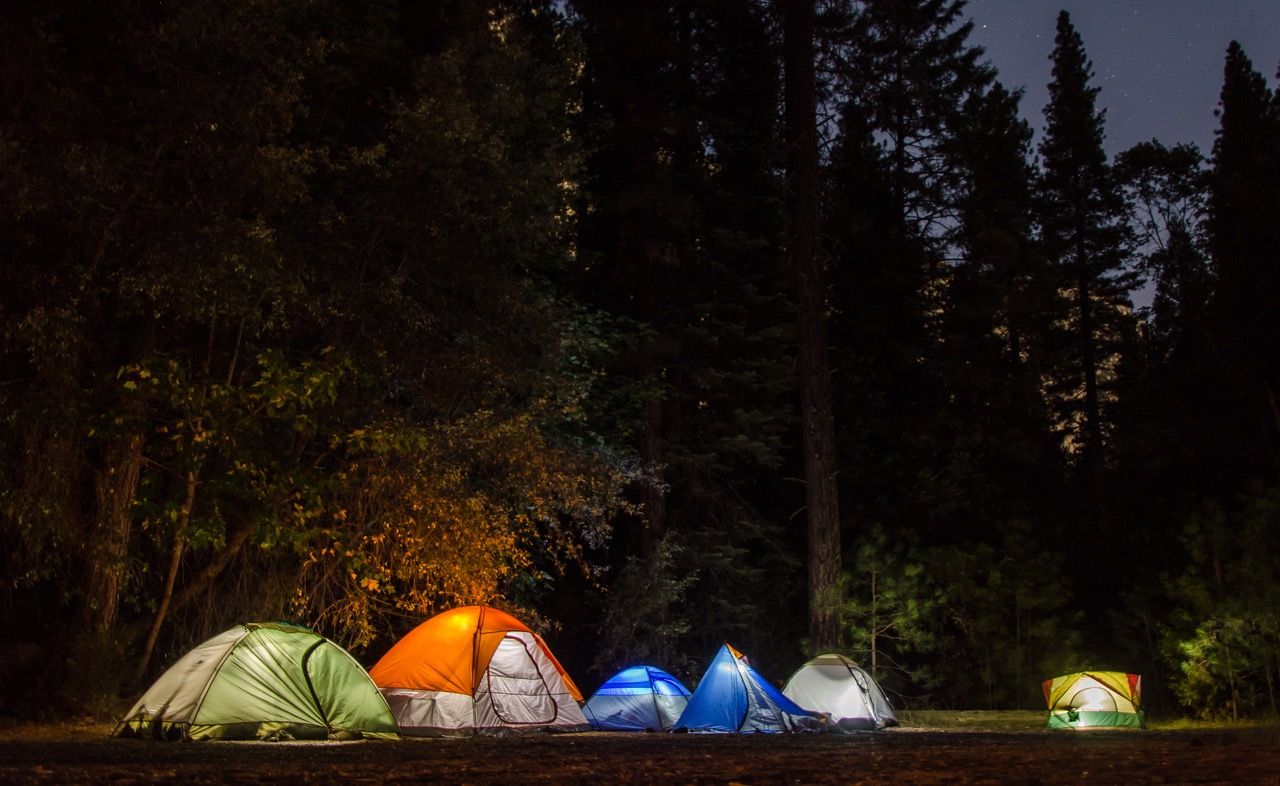
Canadian campers recognize the excitement of late spring.
You book a campsite for July and feel a rush of excitement. But then you remember your gear: the sleeping bags smell musty, a chair is bent in the garage, and the tent you planned to fix last summer still has a rip by the zipper.
If it’s your first camping season, you might not have any gear at all. You just have a reservation email and a shopping list that costs more than you expected.
A loan for startup costs during the camping season can help you get all the gear you need. Instead of waiting until next year, some Canadians use short-term payday loans to buy essentials now and pay them back with their next paycheque.
Why Camping Gear Always Costs More Than You Remember
Camping has a reputation for being the “cheap” vacation option. Then the shopping list starts.
The tent alone might cost a few hundred dollars. Sleeping bags are another chunk of money. Then come the things people forget about at first, like sleeping pads, propane, lanterns, cookware, bug spray, and the cooler that somehow ends up being one of the most expensive items in the cart.
All these costs add up quickly.
For a family getting ready for the season, it is pretty normal to spend anywhere from $400 to over $1,000 CAD before the trip even starts. Especially if a few pieces of old gear need replacing at the same time.
The reservation timing does not help much either.
Most Parks Canada and provincial park sites open bookings months before summer actually arrives, and popular weekends disappear quickly. A lot of families end up reserving first and figuring out the gear afterward because waiting too long can mean losing the campsite entirely.
Can a Loan Cover Camping Gear and Reservations?
In many cases, yes.
Some campers use a short-term loan to cover the upfront costs that show up before the season really starts. That might mean replacing old equipment, paying campsite reservation fees, or finally buying the basics for a first trip after putting it off for a couple of summers.
Some campers just need enough to replace damaged gear before their next trip. Others are starting from scratch and need to buy all the essentials at once. Loan amounts depend on your application and your qualifications.
Loan Express reviews qualifying income during the application process, and repayment is scheduled around the next pay cycle.
The Three Camping Tiers: Where You Are and What You Need
Not every camper starts from the same place. One camper might just need a new tent and a couple of chairs. Another family could be upgrading from a small two-person setup that no longer works for them.
Some beginners book their reservation first and only later realize that camping takes more than just a tent and a cooler.
Tier 1: The Replacement Year ($300-$600)
Every few years, the start of camping season becomes less about upgrading and more about finally admitting which gear pieces need to be retired.
Maybe the tent has a slow leak that nobody fixed properly, or the old sleeping bags that never fully got rid of the musk from the last camping season. Don’t forget about that one chair everyone avoids because it feels like it could collapse at any moment.
The goal here is not a brand-new setup. Just enough replacement gear to make the next trip feel easy again.
Common replacement purchases include:
- 4-6 person tent: roughly $220
- replacement sleeping bag: roughly $120
- pair of folding chairs: roughly $80
- propane stove: roughly $90
- propane and repair supplies: roughly $40
Tier 2: The Upgrade Year ($700-$1,100)
This usually happens when the camping setup that worked a few years ago now feels too cramped or uncomfortable.
For many campers, this is the transition from “making it work” to actually being comfortable.
The smaller tent starts feeling crowded. Cheap sleeping pads become increasingly uncomfortable after a few nights outdoors. Even simple upgrades like a sturdier cooler or better stove can make the entire weekend easier, especially for families camping more than once or twice a year.
The costs during an upgrade year often come from a handful of larger replacements, including:
- six-person tent setup: around $350
- insulated sleeping pads: around $200
- propane cooking stove: around $150
- hard cooler for longer weekends: around $160
- lanterns, headlamps, and first aid equipment: around $100
For many campers, these comfort upgrades are what make them want to return next summer.
Tier 3: The Starting Fresh Year ($900-$1,400)
This is the complete beginner setup.
You booked your reservation first, thinking you’d sort out the gear later. Then you visit a camping store and realize you need everything, even things no one mentioned, like sleeping pads and lantern batteries.
Starting from zero usually means purchasing:
- family tent (4–6 person): around $300
- four sleeping bags: around $400
- four sleeping pads: around $280
- propane stove and fuel: around $140
- cooler, lanterns, chairs, and headlamps: around $220
- first aid kit, bug spray, and campsite reservation fees: around $100
Some Canadian retailers offer bundle discounts on tent and sleep system packages, which can help stretch your budget.
Before you apply, it helps to know which tier fits your needs. Replacing a few broken items is very different from starting a full family camping setup from scratch.
8 Camping Startup Costs a Payday Loan Can Cover
Most first-time campers are surprised at how quickly the small extras add up, along with bigger purchases like tents and sleeping bags.
Family tent (4-6 person): Around $280
A reliable tent is usually the biggest purchase for new campers and one of the hardest things to save money on, especially with Canadian weather.
Sleeping bag (3-season, adult): Around $140
Three-season synthetic sleeping bags usually handle damp mornings and changing temperatures better, making them a good choice for casual campers.
Insulated sleeping pad: Around $110
A good sleeping pad often makes more of a difference than you’d expect, especially on cold ground.
Two-burner propane stove: Around $130
Most family campsite cooking setups start here.
54-quart hard cooler: Around $160
A larger cooler usually becomes worth it pretty quickly on multi-day trips, especially for families trying to avoid constant ice runs halfway through the weekend.
Camping chairs (set of two): Around $80
Camping chairs are often the most fought-over item at the campsite.
Headlamps and lantern: Around $70
One lantern plus individual headlamps usually works best once nighttime hits around the campground.
Campsite reservation and park fees: Around $100
Reservation costs can add up quickly during peak summer weekends, particularly at popular Parks Canada and provincial park locations.
Payday Loan vs. Store Credit, Credit Cards & BNPL
Camping expenses tend to spread out quickly. A tent is bought one weekend, then sleeping bags, propane, lanterns, and coolers follow afterward, as the full checklist starts to come together.
Before borrowing, many Canadians consider several payment options based on the size of the gear purchase and how quickly they need everything ready. Borrowers can also review the How It Works page before applying.
One Purchase Instead of Several Small Charges
It’s rare to buy all your camping gear in one trip. Most people make several visits to outdoor stores over a few weekends, which can lead to scattered credit card charges that are hard to track.
Some borrowers prefer to cover the setup cost with a single short-term loan and a clear repayment schedule.
Faster Access to Seasonal Gear Sales
Outdoor gear sales move quickly once camping season starts.
Traditional store financing applications may involve additional paperwork or another retail credit account. A payday loan provides funds directly via e-Transfer or deposit, giving shoppers more flexibility about where and when they buy gear.
A Single Repayment Date
Breaking purchases into smaller monthly payments may sound convenient, but those charges can stick around longer than expected.
For people who would rather deal with the cost sooner, a short-term payday loan offers a more direct repayment timeline tied to the next paycheque.
Real-World Canadian Camper Scenarios & Costs
The total cost usually comes down to where someone starts.
A seasoned camper replacing some well-used or damaged items will spend very differently than a family preparing for their first reservation weekend with no gear at all.
Barrie Young Family: $1,150 starter setup for an Algonquin trip
A young family in Barrie booked their first trip to Algonquin Park, only to realize they still needed a lot of equipment. The tent, sleeping bags, cooler, stove, and other gear totaled about $1,150 CAD.
A short-term loan helped them buy the essentials a few weeks before their trip, so they didn’t have to wait another year.
Prince George Forestry Worker: $480 replacement gear for backcountry season
A forestry worker in Prince George had camped in BC for years, but this season his old tent finally wore out after a tough winter in storage. Replacing the tent, sleeping bag, and propane setup cost just under $500 CAD.
The loan covered his replacement gear in time for his annual August backcountry trip.
Loan Express offers its camping season startup loan services across Canada, except in Quebec, Yukon, Nunavut, the Northwest Territories, and Prince Edward Island.
Responsible Borrowing Checklist for Camping Gear
Getting ready for the camping season often costs more than people initially plan for. The main gear might already feel expensive, and then the smaller extras start getting added on right before the trip.
Before applying, it helps to separate the gear that actually needs to be bought now from the extras that can wait until later in the season.
Identify Your Tier Before You Borrow
A camper replacing a damaged tent and stove has very different costs than someone preparing for their first camping trip from scratch.
Having a rough idea of which category your situation falls into makes it easier to estimate a realistic budget without borrowing money for equipment that isn’t necessary yet.
Focus on the Gear Layer First
Most camping trips only really require a handful of important items to get started comfortably.
A reliable tent, a decent sleeping setup, cooking gear, and the campsite reservation itself usually matter more up front than all the extra add-ons people buy later in the season, like camping and outdoor tech.
Plan Around Your Next Pay Cycle
Camping weekends fill up quickly once summer starts, but repayment timing still matters too.
It is easy to get caught up in booking trips and buying gear once camping season begins. Before borrowing, many people consider when their next paycheque arrives to keep the repayment timeline realistic.
Watch for Bundle Pricing
Many outdoor retailers offer combination packages during camping season, especially on beginner-friendly setups. Buying a few major items together can sometimes stretch the budget further than expected.
Step-by-Step: Get Funds Before Your Reservation Weekend
Once you know roughly how much gear or reservation coverage you need, the application process itself is fairly quick.
Apply Online in Minutes
The application process is fully online and only requires basic personal, banking, and income information to get started. Most applicants can complete the process in just a few minutes without visiting a branch location.
Approval Within Minutes
Once the application is submitted, Loan Express reviews the information promptly. Applicants typically receive a decision within minutes of submitting their application.
This can help secure seasonal camping reservations or gear purchases during limited-time sales.
Choose Interac e-Transfer or Direct Deposit
Approved funds may be deposited via e-Transfer or direct deposit, including on weekends and holidays.
Repayment Scheduled Around Your Next Payday
Repayment is automatically aligned with the next pay cycle to help simplify the process.
Camping Startup Loan FAQs
How much does a basic camping starter kit cost in Canada in 2026?
For a family of four starting from scratch, a typical setup often falls between $900 and $1,400 CAD, including sleeping gear, cooking equipment, chairs, and reservation fees.
Can I use this loan for campsite reservation fees?
Yes. A payday loan can help cover both camping gear and campsite reservation costs for provincial parks or Parks Canada trips.
Is it better to rent or buy camping gear?
For first-time campers, renting can make sense if you are unsure how often you will camp. Families planning multiple trips usually recover the cost of buying gear fairly quickly.
Can I get approved on a weekend?
Yes. Loan Express accepts online applications 24/7, including weekends and holidays.
Can I still apply with less-than-perfect credit?
Yes. Loan Express bases approval on income and banking history, not credit checks.
Get Outside This Season with a Loan Express Camping Startup Loan
Camping remains one of the most affordable and memorable ways for Canadians to spend time outdoors together, but getting started is rarely as cheap as people expect the first time around.
Whether you are replacing worn-out equipment, upgrading for a growing family, or building a full setup from scratch, a loan for camping season startup costs can help make the trip happen this year instead of next summer.
If you are ready to get started, you can apply for your loan.
Disclosure
Total cost of borrowing is $14.00 per $100 lent for a 14-day loan.
Payday Loans are High-Cost Loans.
- BC Licence #50028
- AB Licence #327001
- SK Licence #100056
- MB Licence #39281 (Exp. Oct 18, 2026)
- ON Licence #4716499
- NB Licence #200001546
- NS Licence #202645507
- NL Licence #20-23-LO073-1